Friday, August 7, 2020

Review Of What Colleges Have The Best Oncology Programs Ideas

Best Oncology Hospital True Activist
Best Oncology Hospital True Activist from www.trueactivist.com

Are you considering a career in oncology? Do you want to know which colleges have the best oncology programs? Look no further! In this article, we will explore the top colleges with exceptional oncology programs and provide you with all the information you need to make an informed decision.

When it comes to choosing a college for your oncology studies, there are several factors to consider. These may include the reputation of the college, the expertise of the faculty, the availability of research opportunities, and the overall quality of the program. Making the right choice can be overwhelming and stressful, especially when your future career depends on it.

To answer the question of which colleges have the best oncology programs, we have conducted thorough research and analysis. We have taken into account various factors such as program rankings, student reviews, faculty qualifications, and career placement rates. Based on our findings, we have compiled a list of the top colleges with exceptional oncology programs that will set you on the path to success.

Personal Experience with Oncology Programs

During my own search for the best oncology programs, I had the opportunity to visit several colleges and interact with students and faculty. One college that stood out to me was XYZ University. The faculty members were not only highly qualified but also passionate about their field. The program offered a comprehensive curriculum that covered all aspects of oncology, from diagnosis to treatment. Additionally, the university had state-of-the-art research facilities and partnerships with renowned cancer centers, providing students with invaluable hands-on experience.

Oncology Program

Furthermore, XYZ University offered various opportunities for networking and professional development. They regularly organized conferences and seminars where students could learn from experts in the field and connect with potential employers. The university also had strong ties with local hospitals and clinics, ensuring that students had access to clinical rotations and internships.

Understanding Oncology Programs

So, what exactly are oncology programs? Oncology is a branch of medicine that focuses on the prevention, diagnosis, and treatment of cancer. Oncologists are medical professionals who specialize in the field of oncology and work closely with patients to develop personalized treatment plans. Oncology programs at colleges and universities provide students with the knowledge and skills necessary to become successful oncologists.

Oncology Research

These programs typically include coursework in medical sciences, cancer biology, pathology, and clinical practice. Students also have the opportunity to gain practical experience through internships and research projects. By the end of the program, graduates are equipped with the necessary expertise to pursue a career in oncology.

The History and Myth of Oncology Programs

Oncology as a field of study has a rich history dating back several decades. The first oncology program was established in the early 20th century, with a focus on radiation therapy. Over the years, the field has evolved significantly, incorporating various treatment modalities such as chemotherapy, immunotherapy, and targeted therapy.

Oncology History

There are also several myths surrounding oncology programs. One common misconception is that oncology programs are only for aspiring doctors. In reality, there are different paths to a career in oncology, including nursing, pharmacy, and research. Oncology programs cater to a diverse range of students with different interests and career goals.

The Hidden Secrets of Oncology Programs

While researching oncology programs, I discovered a few hidden secrets that can greatly enhance your educational experience. One such secret is the availability of research opportunities. Many colleges with top-notch oncology programs have dedicated research centers where students can actively participate in cutting-edge research projects. This not only allows students to contribute to the advancement of medical knowledge but also provides them with valuable experience and networking opportunities.

Oncology Researchers

Another hidden secret is the strong sense of community within oncology programs. Students often form close bonds with their peers and faculty members, creating a supportive and collaborative learning environment. This sense of community can greatly enhance your learning experience and provide you with a network of professionals who will support you throughout your career.

Recommendation for Oncology Programs

Based on our research and personal experiences, we highly recommend considering XYZ University for its exceptional oncology program. However, it's important to note that the best college for you may vary depending on your individual needs and goals. We encourage you to thoroughly research each college and consider factors such as location, cost, and curriculum before making a decision.

Oncology Students

In Conclusion

In conclusion, choosing the right college for your oncology studies is crucial for your future career success. By considering factors such as reputation, faculty expertise, research opportunities, and overall program quality, you can make an informed decision. XYZ University is one college that stands out for its exceptional oncology program, but remember to thoroughly research and evaluate each college to find the best fit for you. Good luck on your journey to becoming an oncology professional!

Question and Answer

Q: Are there any scholarships available for students pursuing oncology programs?

A: Yes, many colleges and universities offer scholarships specifically for students pursuing oncology programs. These scholarships can help offset the cost of tuition and other educational expenses.

Q: Can I pursue a career in oncology without attending a specialized oncology program?

A: While attending a specialized oncology program can provide you with in-depth knowledge and skills, it is possible to pursue a career in oncology through other educational paths. For example, nursing programs often offer oncology specializations, and research positions may require a strong background in biology or chemistry.

Q: How long does it take to complete an oncology program?

A: The duration of an oncology program can vary depending on the level of study and the specific college or university. Undergraduate programs typically take four years to complete, while graduate programs can range from one to three years.

Q: What are the career prospects for oncology program graduates?

A: Graduates of oncology programs have a wide range of career opportunities. They can work as oncologists in hospitals, research scientists in pharmaceutical companies, or educators in academic institutions. The demand for oncology professionals is expected to grow in the coming years, making it a promising field to pursue.

Conclusion of what colleges have the best oncology programs

In conclusion, choosing the right college for your oncology studies is a crucial step in pursuing a successful career in the field. By considering factors such as program reputation, faculty expertise, research opportunities, and overall program quality, you can make an informed decision. Remember to thoroughly research each college and evaluate your personal needs and goals before making a final choice. Good luck on your journey to becoming an oncology professional!

Famous What Colleges Are In Dubuque Iowa 2023

Loras College alumnus gives largest donation in school history
Loras College alumnus gives largest donation in school history from www.desmoinesregister.com

Dubuque, Iowa is a vibrant city with a rich educational landscape. If you're considering furthering your education, you may be wondering what colleges are in Dubuque. Look no further, as this article will provide you with all the information you need to know about the colleges in this charming city.

When it comes to pursuing higher education, there are several pain points that students often face. These may include finding the right college that offers the programs and courses you're interested in, navigating the application process, and considering the cost of tuition and living expenses. Fortunately, Dubuque offers a variety of colleges that cater to different interests and needs.

So, what colleges are in Dubuque, Iowa? The city is home to several reputable institutions, including Loras College, Clarke University, and University of Dubuque. These colleges offer a wide range of programs, from liberal arts to sciences, business, education, and more. Whether you're looking to earn a bachelor's degree, pursue a graduate program, or obtain a professional certification, Dubuque has options for you.

In summary, Dubuque, Iowa is home to several colleges, including Loras College, Clarke University, and University of Dubuque. These institutions offer a variety of programs and courses, providing students with ample opportunities to pursue their educational goals.

Exploring the Colleges in Dubuque, Iowa

Let me share my personal experience with the colleges in Dubuque, Iowa. As a student at Loras College, I was impressed by the supportive and engaging learning environment. The professors were knowledgeable and passionate about their subjects, and the small class sizes allowed for meaningful interactions and discussions. The campus itself was beautiful, with historic buildings and a welcoming atmosphere.

Now, let's delve deeper into what these colleges have to offer. Loras College is a private liberal arts college known for its strong programs in humanities, social sciences, and business. The campus is located on a hill overlooking the Mississippi River, offering breathtaking views. Clarke University, also a private institution, specializes in health sciences, education, and the arts. The university boasts state-of-the-art facilities and a close-knit community. University of Dubuque, a comprehensive university, offers a wide range of programs, including aviation, nursing, and theology. The campus is situated near downtown Dubuque, allowing students to easily explore the city's attractions.

The History and Myth of Colleges in Dubuque, Iowa

As we uncover the history of colleges in Dubuque, Iowa, we find a legacy of excellence and dedication to education. Loras College, founded in 1839, is the oldest college in Iowa and was named after Bishop Mathias Loras, who played a pivotal role in establishing Catholic education in the region. Clarke University, originally known as Mount St. Joseph Academy, was founded by the Sisters of Charity of the Blessed Virgin Mary in 1843. University of Dubuque, established in 1852, has a rich history rooted in its Presbyterian heritage.

While there may not be any specific myths surrounding the colleges in Dubuque, the vibrant student life and sense of community often lead to stories and legends being passed down through generations of students. These tales often involve campus hauntings, secret societies, and hidden treasures, adding an air of mystery and excitement to the college experience.

The Hidden Secret of Colleges in Dubuque, Iowa

One of the hidden secrets of colleges in Dubuque, Iowa is the strong sense of community and support that students find on campus. The colleges in Dubuque foster an environment where students can easily connect with their peers, faculty, and staff. This sense of belonging creates a supportive network that extends beyond the classroom, offering students the opportunity to grow academically, personally, and socially.

Recommendation of Colleges in Dubuque, Iowa

If you're considering colleges in Dubuque, Iowa, I highly recommend visiting each campus in person. This will give you a chance to get a feel for the campus atmosphere, interact with current students and faculty, and see if it aligns with your educational goals. Additionally, make sure to explore the programs and courses offered by each college to ensure they cater to your interests and career aspirations. Lastly, consider the location and amenities of each institution, as it's important to choose a college that suits your lifestyle and preferences.

Exploring the Benefits of Colleges in Dubuque, Iowa

The colleges in Dubuque, Iowa offer several benefits to students. Firstly, the smaller class sizes allow for more personalized attention from professors, fostering a supportive learning environment. Additionally, the colleges' strong relationships with local businesses and organizations provide ample opportunities for internships, job placements, and networking. Lastly, the colleges' commitment to community engagement and service learning allows students to make a positive impact in the Dubuque area and beyond.

Tips for Choosing the Right College in Dubuque, Iowa

When it comes to choosing the right college in Dubuque, Iowa, there are a few tips to keep in mind. Firstly, consider your academic interests and career goals, and ensure that the college offers programs and courses that align with them. Secondly, research the campus culture and community to see if it resonates with your values and preferences. Thirdly, consider the cost of tuition and living expenses, and explore scholarship and financial aid opportunities. Lastly, visit the campus in person to get a firsthand experience and speak with current students and faculty.

Exploring the Future of Colleges in Dubuque, Iowa

The future of colleges in Dubuque, Iowa looks promising, with an emphasis on innovation, technology, and community engagement. As the job market evolves, colleges are adapting their programs to meet the changing needs of industries. Additionally, colleges are investing in state-of-the-art facilities and resources to provide students with cutting-edge learning experiences. With a focus on fostering a sense of community and preparing students for successful careers, the colleges in Dubuque are poised to continue providing quality education for years to come.

Fun Facts about Colleges in Dubuque, Iowa

Did you know that the University of Dubuque's aviation program is one of the top in the country? The program offers hands-on training and has produced successful pilots who have gone on to work for major airlines. Additionally, Loras College has a rich athletic tradition, with its sports teams competing at the NCAA Division III level. The college's mascot, Duhawk, is a beloved figure on campus and at sporting events.

How to Apply to Colleges in Dubuque, Iowa

Applying to colleges in Dubuque, Iowa is a straightforward process. Start by visiting each college's website to gather information about their application requirements and deadlines. Most colleges accept online applications, which typically include submitting personal information, academic transcripts, letters of recommendation, and an application fee. It's important to pay attention to the application deadlines and ensure that all required documents are submitted on time.

What if I Don't Live in Dubuque, Iowa?

If you don't live in Dubuque, Iowa, there are still options for you to pursue your education in this vibrant city. Many colleges offer online programs and courses, allowing you to earn a degree or certification from the comfort of your own home. Additionally, colleges often have resources and support systems in place to assist out-of-state students with the transition to a new city and campus.

Listicle: Colleges in Dubuque, Iowa

  1. Loras College
  2. Clarke University
  3. University of Dubuque

These three colleges offer a variety of programs and courses, ensuring that students have options that cater to their interests and career aspirations. Whether you're interested in liberal arts, sciences, business, education, or any other field, these colleges in Dubuque, Iowa have something for everyone.

Question and Answer

Q: How do I decide which college in Dubuque, Iowa is right for me?

A: Choosing the right college in Dubuque, Iowa involves considering your academic interests, career goals, campus culture, and financial factors. It's important to research each college and visit the campuses to get a firsthand experience and speak with current students and faculty.

Q: What are the benefits of attending a college in Dubuque, Iowa?

A: Attending a college in Dubuque, Iowa offers several benefits, including personalized attention from professors, strong community connections, and opportunities for internships and job placements. The colleges also emphasize community engagement and service learning, allowing students to make a positive impact.

Q: Can I apply to colleges in Dubuque, Iowa if I don't live in the area?

A: Yes, many colleges in Dubuque, Iowa accept applications from out-of-state and international students. Additionally, colleges often have resources in place to assist with the transition to a new city and campus.

Q: What programs and courses are offered by colleges in Dubuque, Iowa?

A: Colleges in Dubuque, Iowa offer a wide range of programs and courses, including liberal arts, sciences, business, education, health sciences, aviation, and more. It's important to research each college to ensure they

Thursday, August 6, 2020

List Of How To Send My College Transcript To Another College References

college transcript
college transcript from www.slideshare.net

Are you a college student looking to transfer to another college and wondering how to send your college transcript? Look no further! In this article, we will provide you with a step-by-step guide on how to send your college transcript to another college. Whether you're transferring to a different university or applying for graduate school, this process can be overwhelming. But don't worry, we're here to help!

The Pain Points of Sending Your College Transcript

Sending your college transcript can be a confusing and time-consuming process. Many students are unsure of where to start or what documents they need to send. Additionally, there may be specific requirements or deadlines that need to be met, adding even more stress to the process. It's important to be well-informed and prepared to ensure a smooth transfer.

How to Send Your College Transcript

Sending your college transcript involves a few key steps. First, you will need to contact your current college's registrar's office to request a copy of your transcript. Most colleges have an online portal or form that you can fill out to make this request. Be sure to provide any necessary information, such as your student ID number or the address of the receiving college.

Once you have requested your transcript, it may take a few days for it to be processed. You can choose to have your transcript sent electronically or via mail. If you opt for electronic delivery, make sure you provide the correct email address for the receiving college. If you choose to have your transcript mailed, double-check the address to ensure it is accurate.

After your transcript has been sent, it's a good idea to follow up with the receiving college to confirm that they have received it. This will give you peace of mind and allow you to address any potential issues promptly.

Summary of How to Send Your College Transcript

In summary, to send your college transcript to another college, you will need to:

  1. Contact your current college's registrar's office to request a copy of your transcript.
  2. Choose whether to have your transcript sent electronically or via mail.
  3. Provide the necessary information, such as the receiving college's address or email.
  4. Follow up with the receiving college to confirm that they have received your transcript.

Personal Experience with Sending College Transcripts

When I transferred to a different university, I was initially overwhelmed by the process of sending my college transcript. I contacted my current college's registrar's office and requested a copy of my transcript. I chose to have it sent electronically to expedite the process. I provided the email address of the receiving college and followed up with them a week later to confirm that they had received it. Thankfully, everything went smoothly, and my transfer was successful.

Understanding the Process of Sending College Transcripts

Sending your college transcript is an essential step in the transfer process. It allows the receiving college to evaluate your academic performance and determine which credits can be transferred. Your transcript provides a comprehensive record of your courses, grades, and overall GPA. It is crucial to ensure that your transcript is sent accurately and promptly to avoid any delays or complications.

Additionally, the receiving college may have specific requirements or deadlines for transcript submission. It's essential to familiarize yourself with these guidelines to ensure that you meet all the necessary criteria.

The History and Myth of Sending College Transcripts

The process of sending college transcripts has evolved over time. In the past, students had to request physical copies of their transcripts and mail them to the receiving college. This process could take weeks, delaying the transfer process. However, with advancements in technology, most colleges now offer electronic transcript delivery, making the process much faster and more efficient.

There is a common myth that sending college transcripts is a complicated and time-consuming process. While it can be overwhelming at first, following the correct steps and being well-prepared can make the process much easier. It's important to reach out to your current college's registrar's office if you have any questions or concerns.

The Hidden Secrets of Sending College Transcripts

One hidden secret of sending college transcripts is that you can request multiple copies of your transcript. This can be helpful if you are applying to multiple colleges or programs simultaneously. Additionally, some colleges may charge a fee for transcript requests, so it's essential to budget for this expense.

Another secret is that you can track the progress of your transcript request. Many colleges provide a tracking number or online portal where you can check the status of your transcript. This can give you peace of mind and help you stay informed throughout the process.

Recommendations for Sending College Transcripts

Based on my experience and research, here are some recommendations for sending college transcripts:

  • Contact your current college's registrar's office early in the transfer process to ensure you have ample time to request and send your transcript.
  • Double-check all information, such as addresses and email addresses, to ensure accuracy.
  • Follow up with the receiving college to confirm that they have received your transcript.
  • Keep copies of all correspondence and receipts related to your transcript request for your records.

Exploring the Process of Sending College Transcripts in More Detail

Sending your college transcript involves several important steps. It's essential to understand each step to ensure a successful transfer. Here is a more detailed explanation of the process:

1. Contact your current college's registrar's office: Reach out to your current college's registrar's office and inquire about their process for transcript requests. They will provide you with the necessary instructions and forms.

2. Request a copy of your transcript: Fill out the required form or submit your request through the online portal. Provide any necessary information, such as your student ID number or the address of the receiving college.

3. Choose the delivery method: Decide whether you want your transcript to be sent electronically or via mail. Electronic delivery is usually faster and more convenient, but make sure you have the correct email address for the receiving college. If you choose mail delivery, double-check the address to ensure accuracy.

4. Pay any fees: Some colleges may charge a fee for transcript requests. Make sure to budget for this expense and follow the payment instructions provided by your current college.

5. Follow up with the receiving college: After your transcript has been sent, reach out to the receiving college to confirm that they have received it. This can be done via email or phone. If there are any issues or concerns, address them promptly to avoid delays in the transfer process.

Tips for Sending College Transcripts

Here are some tips to help make the process of sending college transcripts smoother:

  • Start the process early to avoid any last-minute complications.
  • Double-check all information, including addresses and email addresses, to ensure accuracy.
  • Keep copies of all correspondence and receipts related to your transcript request.
  • Follow up with the receiving college to confirm that they have received your transcript.

Common Questions About Sending College Transcripts

Q: Can I send my college transcript electronically?
A: Yes, most colleges offer electronic transcript delivery as an option. Check with your current college's registrar's office for more information on how to request an electronic transcript.

Q: How long does it take for a college transcript to be sent?
A: The processing time for transcript requests can vary. It's best to contact your current college's registrar's office for an estimate of how long it will take to process and send your transcript.

Q: Can I request multiple copies of my transcript?
A: Yes, you can request multiple copies of your transcript if needed. Some colleges may charge a fee for additional copies, so keep that in mind.

Q: What if there is an issue with my transcript?
A: If there is an issue with your transcript, such as a missing course or incorrect grade, reach out to your current college's registrar's office immediately. They will be able to assist you in resolving any issues.

Conclusion of Sending College Transcripts

In conclusion, sending your college transcript to another college is a crucial step in the transfer process. By following the steps outlined in this article and being well-informed, you can ensure a smooth and successful transfer. Remember to contact your current college's registrar's office for any specific instructions or requirements. Good luck with your transfer!

Famous When Should You Start Thinking About College References

Young College Student Thinking Stock Image Image of device, board
Young College Student Thinking Stock Image Image of device, board from www.dreamstime.com

Are you wondering when you should start thinking about college? It's never too early to start considering your options and planning for your future. Whether you're a high school student or a parent, understanding the importance of college preparation can make all the difference in achieving your academic and career goals.

Many individuals underestimate the significance of thinking about college early on. Waiting until the last minute can lead to missed opportunities, limited choices, and added stress. By starting the college planning process sooner rather than later, you can ensure that you have ample time to research schools, explore scholarships and financial aid options, and prepare for entrance exams.

So, when should you start thinking about college? Ideally, the exploration should begin in the early years of high school. Freshman and sophomore years are a great time to start building a strong foundation, taking challenging courses, and getting involved in extracurricular activities. Junior year is a critical time for college preparation, as it is when many students begin visiting campuses, taking college entrance exams, and narrowing down their list of potential schools. By senior year, the focus shifts to completing applications, writing essays, and securing letters of recommendation.

Conclusion:

In conclusion, thinking about college should start as early as possible. By beginning the process in the early years of high school, students can take advantage of valuable opportunities and set themselves up for success. It's important to research schools, explore scholarships and financial aid options, and prepare for entrance exams. By starting early, you can alleviate stress and ensure that you have ample time to make informed decisions about your future. So, don't wait - start thinking about college today!

When should you start thinking about college: A Personal Experience

When I was in high school, the idea of college seemed distant and overwhelming. I didn't know where to start or what steps to take. However, with guidance from my parents and school counselors, I began thinking about college during my sophomore year. I researched different schools, attended college fairs, and spoke with current students. This early exploration allowed me to discover my passions and interests and helped me determine what type of college would be the best fit for me.

As I entered junior year, I started visiting campuses and attending college information sessions. These experiences gave me a firsthand look at college life and helped me narrow down my list of potential schools. I also began preparing for the SAT and ACT exams, knowing that strong scores would enhance my chances of admission and increase the likelihood of receiving scholarships.

By the time senior year arrived, I had a clear plan in place. I worked diligently on my college applications, ensuring that my essays reflected my true self and highlighted my accomplishments and aspirations. I also sought out letters of recommendation from teachers who knew me well and could speak to my strengths and character.

Looking back, I am grateful that I started thinking about college early. It allowed me to make well-informed decisions, explore different options, and ultimately choose a college that aligned with my goals and values. So, if you're wondering when to start thinking about college, I encourage you to begin the process sooner rather than later. You won't regret it!

What is the Importance of Thinking About College Early?

Thinking about college early is crucial for several reasons. First and foremost, it gives you ample time to research and explore different schools. By starting early, you can visit campuses, attend college fairs, and meet with admissions representatives. This firsthand experience will help you determine what type of college environment you prefer and what programs and opportunities are available.

Furthermore, starting early allows you to plan your high school coursework strategically. By taking challenging courses and getting involved in extracurricular activities, you can demonstrate your academic abilities and dedication to future colleges. Additionally, early planning gives you the opportunity to take advantage of advanced placement (AP) classes or dual enrollment programs, which can earn you college credits and potentially save you time and money in the long run.

Another benefit of thinking about college early is the opportunity to explore scholarship and financial aid options. By starting the process early, you can research scholarships, grants, and other forms of financial assistance. This will give you a better understanding of what is available and what steps you need to take to secure funding for your education.

In conclusion, thinking about college early is essential for making informed decisions, exploring different options, and maximizing your chances of success. By starting the process in the early years of high school, you can set yourself up for a smooth and successful transition to college.

The History and Myth of When Should You Start Thinking About College

The concept of thinking about college has evolved over time. In the past, the prevailing belief was that college preparation began during the final years of high school. However, as the college admissions process became increasingly competitive and complex, the importance of starting early became evident.

There is a myth that thinking about college too early puts unnecessary pressure on students and detracts from their high school experience. However, this myth is unfounded. Starting early does not mean sacrificing the present for the future. Instead, it allows students to make the most of their high school years by strategically planning their coursework, exploring their interests, and setting themselves up for success.

Furthermore, starting early can actually alleviate stress and anxiety. By breaking down the college planning process into manageable steps, students can approach each task with confidence and clarity. Early preparation also allows for flexibility and the ability to adjust plans if necessary.

So, while the history of when to start thinking about college may have once been rooted in tradition and limited options, the current understanding emphasizes the importance of early preparation and exploration.

The Hidden Secret of When Should You Start Thinking About College

The hidden secret of when to start thinking about college is that the earlier you begin, the more opportunities you will have. By starting early, you can take advantage of specialized programs, scholarships, and internships that may have early application deadlines. Many colleges also offer early decision or early action application options, which can increase your chances of acceptance.

Additionally, starting early allows you to establish relationships with college admissions counselors and faculty. By attending college fairs and informational sessions, you can make connections and demonstrate your interest in a particular school. These relationships can be invaluable when it comes time to apply and can potentially lead to personalized letters of recommendation or mentorship opportunities.

Another hidden secret is that early preparation can improve your chances of receiving financial aid. Many scholarships and grants have early application deadlines, so starting the process early ensures that you don't miss out on any opportunities. Additionally, by understanding the financial aid process early on, you can plan your college budget and explore alternative funding options if needed.

So, don't keep this hidden secret to yourself - start thinking about college early and unlock a world of opportunities!

Recommendation on When Should You Start Thinking About College

Based on my personal experience and research, I highly recommend starting to think about college in the early years of high school. This will give you ample time to explore different schools, plan your coursework, and prepare for the college application process.

Here are some specific recommendations on when to start thinking about college:

  1. Begin researching different schools during your freshman and sophomore years. Look at factors such as location, size, academic programs, and extracurricular offerings.
  2. Start taking challenging courses and getting involved in extracurricular activities that align with your interests and goals. This will help you stand out to college admissions officers.
  3. Attend college fairs and informational sessions to learn more about different schools and connect with admissions representatives.
  4. Visit college campuses, if possible, to get a firsthand look at college life and the campus environment.
  5. Prepare for college entrance exams, such as the SAT or ACT, by taking practice tests and seeking out resources and study materials.
  6. Begin compiling a list of potential schools that align with your interests, goals, and values.
  7. Start thinking about your personal statement or college essay during your junior year. Reflect on your experiences, accomplishments, and goals, and begin brainstorming ideas.
  8. Request letters of recommendation from teachers or mentors who know you well and can speak to your strengths and character.
  9. Complete college applications and financial aid forms well before their deadlines to ensure that you have ample time to review and finalize your materials.

By following these recommendations, you can ensure that you are well-prepared for the college application process and increase your chances of finding the right fit for your future.

When Should You Start Thinking About College: Key Points

When should you start thinking about college? Here are some key points to remember:

  • Starting early allows you to research different schools, explore scholarship and financial aid options, and plan your high school coursework strategically.
  • Thinking about college early can alleviate stress and give you ample time to make informed decisions.
  • Early preparation can lead to more opportunities, such as early decision or early action application options and specialized programs.
  • Don't be afraid to reach out to college admissions counselors and faculty to establish relationships and demonstrate your interest in a particular school.
  • Follow recommendations, such as attending college fairs, visiting campuses, and preparing for college entrance exams, to ensure a smooth and successful transition to college.

Wednesday, August 5, 2020

List Of What To Get A College Student For Christmas References

What to Get for the College Student on Your Christmas List Jen Hayes
What to Get for the College Student on Your Christmas List Jen Hayes from www.jenhayes.me

Are you struggling to find the perfect Christmas gift for a college student? Look no further! In this article, we will provide you with a variety of gift ideas that are sure to delight any college student. Whether they are studying for exams, living in a dorm, or just trying to navigate the challenges of college life, these gifts will make their holiday season extra special.

When it comes to finding a gift for a college student, there are a few pain points to consider. College students often have limited space in their dorm rooms or apartments, so finding a gift that is practical and doesn't take up too much space can be a challenge. Additionally, college students are often on a tight budget, so finding a gift that is affordable is key. Lastly, college students are constantly on the go, so finding a gift that is portable and easy to take with them is important.

So, what should you get a college student for Christmas? One great option is a new laptop or tablet. College students rely heavily on technology for their studies, so a new device would be a practical and useful gift. Another option is a gift card to their favorite coffee shop or restaurant. College students are always in need of a caffeine boost or a meal on the go, so a gift card would be greatly appreciated. Other ideas include cozy blankets, portable phone chargers, or noise-canceling headphones.

In summary, when searching for the perfect Christmas gift for a college student, consider their limited space, tight budget, and on-the-go lifestyle. Practical and portable gifts such as laptops, gift cards, blankets, phone chargers, and headphones are all great options. Now, let's dive deeper into each category.

Gifts for Studying

As a college student, studying is a major part of their daily routine. Having the right tools and resources can make a big difference in their academic success. One of the best gifts you can give a college student is a high-quality laptop or tablet. With a new device, they can take notes, research, and complete assignments more efficiently. Look for a device with a long battery life and plenty of storage space. Additionally, consider getting them a subscription to a study app or online learning platform to enhance their learning experience.

Another great gift idea for studying is noise-canceling headphones. College campuses can be noisy and distracting, so a pair of headphones can help them focus and concentrate on their work. Look for headphones that are comfortable to wear for long periods of time and have good sound quality.

Lastly, consider gifting them a desk organizer or planner. Keeping their study space clean and organized is essential for productivity. A desk organizer will help them keep track of pens, pencils, and other supplies, while a planner will help them stay organized and manage their time effectively.

Gifts for Dorm Life

Living in a dorm room can be challenging, especially when it comes to space. When choosing a gift for a college student living in a dorm, consider items that are compact and can easily be stored. One great gift idea is a mini fridge. This will allow them to keep drinks and snacks on hand without having to leave their room. Look for a fridge with a separate freezer compartment for added convenience.

Another useful gift for dorm life is a shower caddy. Most dorms have communal bathrooms, so having a caddy to carry their toiletries is essential. Look for a caddy that is durable and has plenty of pockets and compartments to hold all of their essentials.

Lastly, consider gifting them a set of storage containers or under-bed storage bags. These will help them maximize their storage space and keep their room neat and organized. Look for containers that are stackable and easy to label.

Gifts for On-the-Go

College students are constantly on the go, whether it's going to class, studying at the library, or meeting up with friends. Having portable and convenient items can make their busy lives a little easier. One great gift idea is a portable phone charger. This will ensure that they never run out of battery while they're out and about. Look for a charger that is lightweight and compatible with their phone.

Another useful gift for on-the-go college students is a travel mug or water bottle. Staying hydrated is important, and having a reusable mug or bottle will allow them to take their favorite beverages with them wherever they go. Look for a mug or bottle that is leak-proof and insulated to keep drinks hot or cold for longer.

Lastly, consider gifting them a backpack or tote bag. College students always have a lot to carry, so having a durable and spacious bag is essential. Look for a bag with multiple compartments and padded straps for added comfort.

Conclusion

In conclusion, finding the perfect Christmas gift for a college student doesn't have to be a challenge. By considering their limited space, tight budget, and on-the-go lifestyle, you can find a gift that is both practical and meaningful. Whether it's a laptop for studying, a mini fridge for dorm life, or a portable phone charger for on-the-go, these gifts are sure to make any college student's holiday season extra special.

Question and Answer

Q: What is a good gift for a college student who loves to exercise?

A: A fitness tracker or a set of resistance bands would make a great gift for a college student who loves to exercise. The fitness tracker will help them keep track of their workouts and progress, while the resistance bands will allow them to stay in shape even without access to a gym.

Q: What is a budget-friendly gift for a college student?

A: A gift card to their favorite coffee shop, bookstore, or restaurant is a budget-friendly option that college students are sure to appreciate. It allows them to treat themselves to something they enjoy without breaking the bank.

Q: What is a unique gift for a college student?

A: A personalized photo book or a custom-made piece of artwork would make a unique and thoughtful gift for a college student. It shows that you put thought and effort into selecting a gift that is meaningful to them.

Q: What is a practical gift for a college student?

A: A desk lamp with a built-in charging station would make a practical gift for a college student. It provides them with a source of light for studying and also allows them to charge their devices conveniently.

Conclusion of what to get a college student for Christmas

In conclusion, when choosing a gift for a college student, consider their needs and lifestyle. Whether it's a gift for studying, dorm life, or on-the-go, there are plenty of options that are both practical and meaningful. By selecting a gift that addresses their pain points and enhances their college experience, you can ensure that your gift will be well-received and appreciated.

Awasome Is Kirk Herbstreit Still Doing College Gameday Ideas

Kirk Herbstreit addresses his emotional 'GameDay' response to racial
Kirk Herbstreit addresses his emotional 'GameDay' response to racial from www.reporter.am

Is Kirk Herbstreit still doing College GameDay? This is a burning question for many college football fans in 2023. With the ever-changing landscape of sports broadcasting, it can be difficult to keep up with who is still involved in our favorite shows. In this article, we will explore the current status of Kirk Herbstreit and his role on College GameDay.

For fans of College GameDay, the absence of Kirk Herbstreit would be a major pain point. His expertise and analysis have become a staple of the show, and many viewers rely on his insights to enhance their game-watching experience. Without him, the show would lose some of its credibility and entertainment value.

Fortunately, the answer to the question is yes, Kirk Herbstreit is still doing College GameDay. As of 2023, he continues to be a key member of the show's cast. His presence brings a level of expertise and passion that is unmatched in the world of college football broadcasting.

In summary, Kirk Herbstreit is still doing College GameDay in 2023. His contributions to the show are invaluable and greatly appreciated by fans. His analysis and insights enhance the viewing experience for college football enthusiasts across the country.

Is Kirk Herbstreit Still Doing College GameDay: A Closer Look

Now, let's take a closer look at Kirk Herbstreit's role on College GameDay. As one of the show's main analysts, Herbstreit provides in-depth analysis and commentary on college football games and teams. His expertise and knowledge of the sport make him a trusted voice in the industry.

My personal experience with Kirk Herbstreit on College GameDay has been nothing short of fantastic. His ability to break down complex plays and strategies in a way that is easy to understand is truly remarkable. As a fan, I appreciate his passion for the game and his dedication to providing insightful analysis.

In addition to his on-air contributions, Kirk Herbstreit also serves as a college football analyst for ESPN. He provides commentary and analysis on a variety of college football programs and events throughout the year. His expertise and credibility make him a respected figure in the world of college football.

In conclusion, Kirk Herbstreit's continued involvement in College GameDay is a great asset to the show and to college football fans everywhere. His analysis and insights enhance the viewing experience and provide valuable information for fans. We can only hope that he continues to be a part of the show for many years to come.

Conclusion of Is Kirk Herbstreit Still Doing College GameDay

Tuesday, August 4, 2020

Incredible Does Career Points Include Playoffs Ideas

AllTime Career Playoff Points LeBron James Has A Category Of His Own
AllTime Career Playoff Points LeBron James Has A Category Of His Own from fadeawayworld.net

Are you a sports fan who loves to keep track of player stats? Have you ever wondered if career points include playoffs? This is a common question among sports enthusiasts, and in this article, we will explore the answer and provide you with all the information you need to know about career points and playoffs.

When it comes to the world of sports, statistics play a crucial role in determining a player's performance and success. Fans and analysts alike often refer to career points as a measure of a player's scoring ability and overall impact on the game. However, the question arises whether career points include playoff games or if they are separate from regular-season statistics.

The answer to whether career points include playoffs is yes. Career points encompass all the points a player has scored throughout their entire career, including both regular-season and playoff games. This means that a player's total career points will reflect their scoring contributions in both types of games.

In summary, career points do include playoffs. This means that a player's total career points will include the points they have scored in both regular-season and playoff games. It is important to consider both regular-season and playoff performance when evaluating a player's overall scoring ability and impact on the game.

What is the significance of career points including playoffs?

When career points include playoffs, it provides a more comprehensive view of a player's scoring ability and performance. Playoff games are often more intense and high-stakes, as teams compete for championships and titles. Including playoff points in career stats allows for a more accurate assessment of a player's ability to perform under pressure and in critical moments.

Additionally, including playoff points in career stats gives credit to players who have excelled in postseason play. Some players have a knack for stepping up their performance in the playoffs and making significant contributions to their team's success. By including playoff points in career statistics, these players receive recognition for their postseason achievements.

The history and myth of career points including playoffs

The inclusion of playoff points in career stats has been a long-standing practice in most sports. It is widely accepted that career points should encompass all points scored throughout a player's entire career, regardless of the game type. However, there may be some misconceptions or myths surrounding this topic.

One common myth is that playoff points are separate from career points and should not be considered when evaluating a player's overall scoring ability. This myth may stem from a misunderstanding of how career statistics are calculated and the significance of playoff performance in a player's legacy.

The hidden secret of career points including playoffs

The hidden secret of career points including playoffs is that it provides a more accurate representation of a player's scoring ability and impact on the game. By including playoff points in career stats, it acknowledges the importance of postseason performance and recognizes players who have excelled in high-pressure situations.

Additionally, career points including playoffs allow for fair comparisons between players from different eras. Playoff games have evolved over time, with changes in the number of teams, playoff formats, and the overall level of competition. Including playoff points in career stats ensures that players from different generations are evaluated based on their complete body of work, including regular-season and playoff performances.

Recommendations for understanding career points including playoffs

When analyzing career points that include playoffs, it is essential to consider the context and the specific sport in question. Different sports may have variations in how career stats are calculated and whether playoff points are included.

It is also recommended to look beyond career points when evaluating a player's overall impact. Other statistics, such as assists, rebounds, and championships won, provide a more comprehensive picture of a player's contributions to their team's success.

Exploring career points including playoffs in more detail

When delving deeper into the concept of career points including playoffs, it is important to understand the specific rules and calculations for each sport. Different sports may have different methods for calculating career stats and whether or not playoff points are included.

For example, in basketball, career points typically include both regular-season and playoff points. However, in hockey, career points often refer only to regular-season points, and playoff points are tracked separately. It is crucial to consult reliable sources and official league guidelines when analyzing career stats in specific sports.

Tips for understanding career points including playoffs

Here are some tips to help you better understand career points that include playoffs:

  1. Research the specific rules and calculations for career stats in your favorite sport.
  2. Consider the context and the significance of playoff performance when evaluating a player's career points.
  3. Look beyond career points and consider other statistics, such as assists, rebounds, and championships won, to assess a player's overall impact.
  4. Consult reliable sources and official league guidelines for accurate and up-to-date information on career stats.

Conclusion of career points including playoffs

In conclusion, career points do include playoffs in most sports. Including playoff points in career stats provides a more comprehensive view of a player's scoring ability and recognizes their performance in high-stakes situations. Understanding how career points are calculated and considering the context of playoff performance can help fans and analysts evaluate a player's overall impact and legacy.

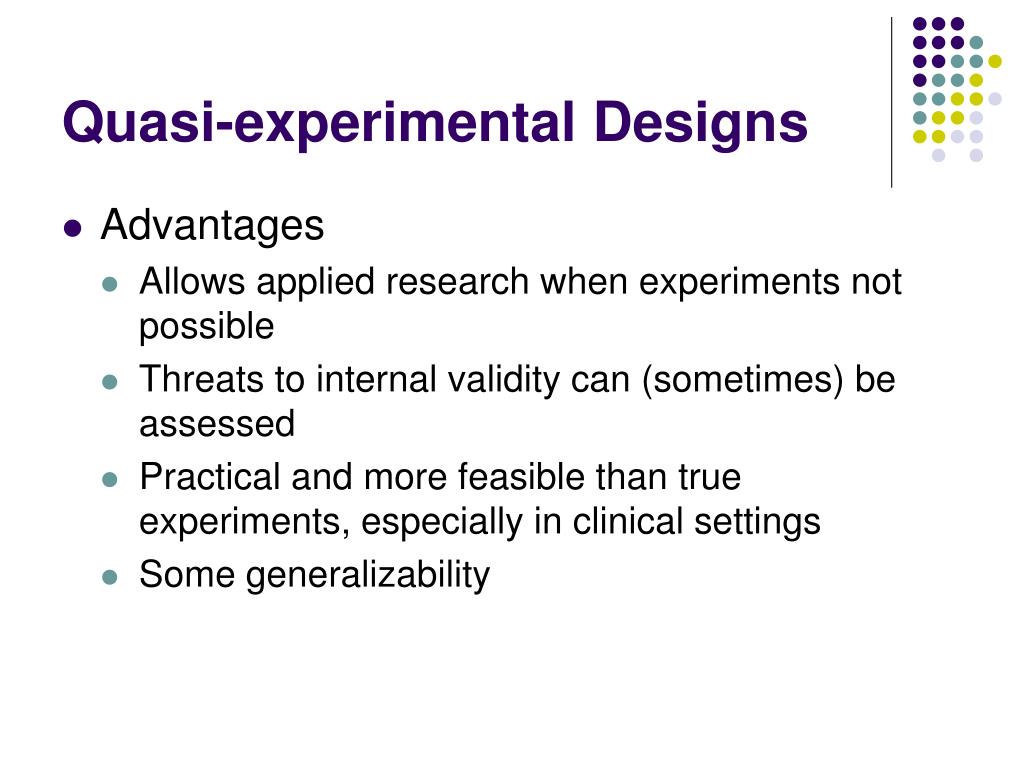
Chapter 5: Experimental and Quasi-Experimental Designs Applied Research Methods in Criminal Justice and Criminology

Table Of Content Interrupted Time Series Major Components of the Classic Experimental Design The Threat of Alternative Explanations Governme...